Innovative Trends in Supportive Housing: What the Future Holds


Revolutionizing Supportive Housing
Supportive housing is evolving rapidly, driven by innovative approaches and technologies designed to improve the quality of life for residents. As we look to the future, these advancements promise to transform the landscape of supportive housing, making it more efficient, inclusive, and responsive to individual needs.
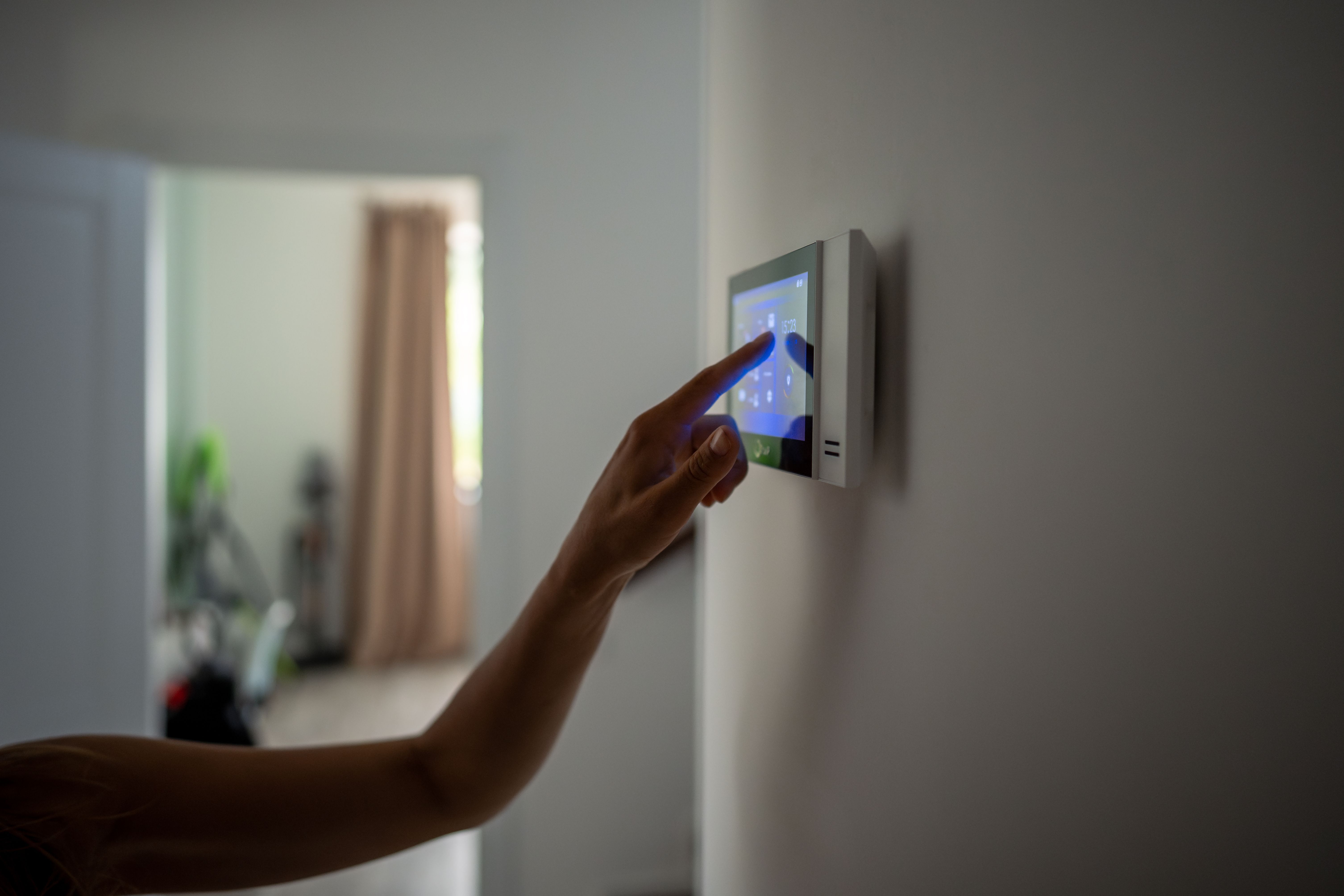
One of the most significant trends is the integration of smart home technology. By incorporating devices like smart thermostats, lighting, and security systems, supportive housing can offer enhanced comfort and security. These technologies not only make daily living easier but also promote energy efficiency and cost savings.
Embracing Sustainability
A growing focus on sustainability is reshaping supportive housing. Developers are increasingly using eco-friendly materials and incorporating green building practices. This shift not only reduces the environmental impact but also lowers utility costs, benefiting both providers and residents.
Furthermore, the use of renewable energy sources, such as solar panels, is becoming more common. These systems can significantly decrease reliance on traditional power sources, offering a cleaner and more sustainable living environment.

Community-Centric Design
Designing supportive housing with a community-centric approach is gaining traction. Creating spaces that foster social interaction and community engagement is essential for the well-being of residents. Common areas, gardens, and shared facilities encourage interaction and a sense of belonging.
Moreover, incorporating flexible spaces that can be adapted for various uses ensures that the housing can meet the changing needs of its residents over time. This adaptability is crucial in creating lasting and effective supportive housing solutions.

Technology-Driven Health Solutions
Integrating health-focused technologies is another innovative trend in supportive housing. Telehealth services and remote monitoring systems allow residents to receive medical care and support without leaving their homes. These technologies are particularly beneficial for individuals with mobility challenges or chronic health conditions.
Additionally, wearable health devices can provide real-time data, helping caregivers to monitor and respond to health issues promptly. This proactive approach enhances the overall quality of care and supports independent living.

Conclusion
The future of supportive housing is bright, with innovation driving significant improvements in design, sustainability, and technology. By embracing these trends, providers can offer more effective, efficient, and humane solutions that truly meet the needs of their residents. As we continue to explore and implement these advancements, supportive housing will become a vital part of creating inclusive and thriving communities.